XR Healthcare Landscape

Part II: Deep-dive into XR for Mental Health
NHS
a. South London and Maudsley NHS Foundation Trust (SLAM)
Background
One of the NHS Trusts at the forefront of research and innovation for mental healthcare is SLAM. The Digital Innovation Team continue to research and develop XR technologies for conditions such as psychosis, mood disorders, eating disorders, plus behaviour-based interventions relating to phobias, stress reduction, physical activity, and discrimination, and in 2024, SLAM were awarded £1.3 million in funding by the NIHR to further develop new VR and neurotherapeutic hubs [34].
SLAM’s approach represents a strategic shift beyond individual applications towards scalable, sustainable solutions that address core NHS challenges. The Trust’s major goal is to deliver mental health services more efficiently through automated and diverse digital channels, particularly XR technologies. This vision extends beyond traditional treatment models to encompass population health initiatives, where XR is integrated with IoT platforms and patient monitoring systems to provide real-time health tracking and intervention capabilities.
Deployment and Use
During the pandemic, SLAM was the first mental health trust to use AR and VR to support service users and members of staff by using these technologies to address needle phobias. By acquiring and deploying six medical VR glasses and VR applications, staff and patients were supported across NHS vaccination sites during the roll out of the Covid-19 vaccinations to the general population [35].
Working alongside King’s College London and other partners, these technologies are being further developed by the Trust for various mental health conditions. Through FOI requests, the Trust currently reports on having or developing applications for eating disorders, dementia, relaxation and Dialectical Behaviour Therapy (DBT) at various stages of maturity, including proof of concept technologies and those in early adoption in service. These VR therapeutics are reportedly used on Pico 4 and Pico Neo 3 Pro headsets for use on NHS sites only.
Building on their clinical success, SLAM has developed a strategic vision for commercialisation and international expansion. The Trust is developing “My Help,” a prototype application store for XR mental health interventions, while establishing partnerships with healthcare systems in the UAE and exploring collaborations with Chinese mental health institutions. Their eating disorder application has gained recognition through publication in European Psychiatry and has attracted interest from the Italian clinical health agency for implementation in their services. This international outlook positions SLAM as a global leader in XR mental health innovation, leveraging their status as the second-largest academic publishing institution worldwide in mental health research after Harvard.
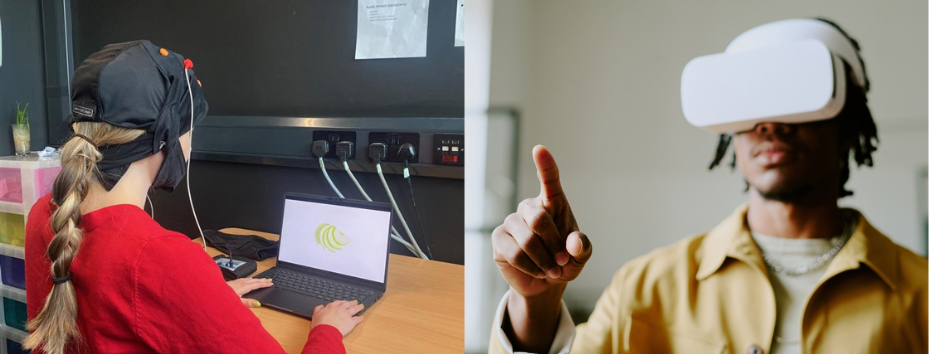
b. Alder Hey Children’s NHS Foundation Trust
Background
Alder Hey has emerged as a national leader in paediatric XR innovation, establishing a comprehensive approach that spans patient-facing care, clinical applications, and systematic technology evaluation. The Trust’s XR programme is uniquely positioned within their dedicated Innovation Hub, a purpose-built Innovation Hub facility that houses a team of 20 innovation specialists and serves as a testing ground for emerging healthcare technologies.
Through FOI requests, the Trust reports deployment across multiple clinical areas including the Innovation Hub, Cardiology, MaxFax, Orthopaedics, Emergency Department, Radiology, Pharmacy, and Therapies, with exploratory work extending into Community services and education. Their XR portfolio encompasses technologies at various maturity levels, from proof of concept through to established practice, demonstrating systematic progression from innovation to routine clinical implementation.
Deployment and Use
The Trust’s XR applications are strategically organised into four primary categories: Mental Wellbeing and Therapy, Pain Management, Clinical & Surgical applications, and Patient Education and Training. Key technologies include SmileyScope for distraction therapy, XR Therapeutics for mental health interventions, and Magic Leap 2 for surgical planning applications. The Trust also utilises Meta Quest Pro with various applications including Reach Shoulder Health, ApoQlar, DR VR, and NulaVR, alongside specialised tools like the Virtual Heart developed in collaboration with the Virtual Engineering Centre.
A distinguishing feature of Alder Hey’s approach is their transition from traditional 3D printing to XR-based solutions for surgical planning. The maxillofacial team has successfully implemented Magic Leap technology that allows surgeons to visualise patient scans in 3D virtual environments, collaborate with remote experts, and develop VR-based cutting guides for intra-operative use. This innovation addresses significant sustainability challenges, physical 3D printed models become part of a child’s medical record and must be retained for seven years, contributing to waste and environmental impact.
Patient-facing applications focus on pain management and distraction therapy, with particular emphasis on solutions that integrate seamlessly into clinical workflows. SmileyScope has proven particularly successful due to its unique design where the front panel can be used as a tablet interface by clinicians rather than requiring them to wear the device, a crucial usability feature that has driven clinical adoption across multiple departments.
Technology and Infrastructure
Hardware deployment includes Meta Quest Pro, Apple Vision Pro, HTC Vive Pro 2, and Magic Leap 2, with technologies distributed through both NHS-funded and paid procurement models. The Trust began XR implementation in Innovation Services in 2018, with cardiac services signing agreements as recently as July 2025, demonstrating sustained commitment to expanding XR integration. All applications are configured with locked settings to prevent dual use, ensuring clinical-grade security and consistency.
Scaling Innovation Through Open Collaboration
In 2024, Alder Hey secured £4.1 million in funding to establish the Liverpool City Region’s first Paediatric Open Innovation Centre, positioning the Trust as a national hub for collaborative healthcare technology development. This initiative represents a strategic evolution from individual technology adoption to systematic innovation facilitation, where the Trust actively partners with industry to co-create, test, and validate emerging technologies.
The Innovation Centre model addresses a critical challenge in healthcare technology development: the gap between promising innovations and clinical implementation. Clinical teams now proactively request VR integration for specific use cases, including rheumatology joint injections and specialised therapeutic interventions, demonstrating genuine clinical appetite for XR solutions. Through their established infrastructure and clinical expertise, Alder Hey provides companies with access to real-world testing environments, regulatory guidance, and direct feedback from healthcare professionals and young patients, while developing standardised evaluation frameworks that can accelerate adoption of proven XR solutions across other paediatric centres nationally.
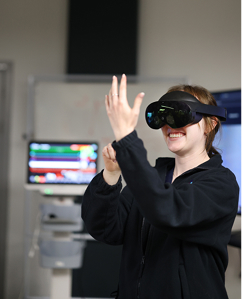
c. Torbay and South Devon NHS Foundation Trust
Background
The Digital Futures Lab, embedded within Torbay was established in 2017 as one of the NHS’s pioneering digital innovation teams. Its mission is to explore and implement emerging technologies, including XR, to enhance healthcare delivery, professional education, and patient care. The Lab’s approach to research and development focuses on three aspects:
- Design Ethos: All XR projects are developed using a co-design model that involves clinicians, educators, and patients from the outset to ensure solutions are clinically relevant, usable, and impactful.
- Collaboration – The Lab combines their in-house development expertise with targeted external partnerships, co-creating solutions that draw on innovation both within the NHS and across wider sectors.
- Sustainable Solutions – Through robust testing and evaluation, they ensure digital tools are embedded effectively into clinical pathways and training, delivering lasting impact and measurable outcomes.
Deployment and Use
The Lab’s early work focused on developing 360° video for education and workforce training, such as patient perspective experiences (e.g., delirium and dementia), sexual harassment awareness, and immersive care scenarios. In 2021, this expanded into the use of CGI-based XR content development, broadening the scope of interactive and customisable simulations. By late 2024, the Trust launched its first XR-integrated patient pathway (Cureo for pain management), marking a significant step from innovation pilots into routine clinical practice.
The Trust’s XR portfolio now spans workforce education and training, pain management, physiotherapy and rehabilitation, mental wellbeing interventions, and patient-perspective simulations. This breadth reflects the organisation’s ambition to embed XR across healthcare domains while addressing the unique needs of its local population. XR technologies are now deployed across NHS facilities in Torbay and South Devon, with a growing emphasis on extending access into community-based locations supported by trained facilitators. This is highlighted by their key applications in mental health and wellbeing, pain management and workforce training:
- Cureo (by CUREOSITY) was introduced in 2024. Cureo supports an 8-week personalised programme for chronic pain patients, combining exercise, relaxation, and distraction therapy.
- The Trust is partnering with Cineon.ai, as part of the UKRI Mindset project, trialling XR for staff stress management and resilience training. They are also piloting Soul Paint and Tend as therapeutic interventions targeting mental health and have created localised 360° video environments (e.g., Dartmoor) used for patient wellbeing and relaxation.
- Immersive 360° experiences simulating delirium and dementia to expose their healthcare workforce in patient-perspective scenarios.
Technology and Design
- Hardware: Meta Quest 2, Meta Quest 3, Meta Quest Pro, Pico Neo 3 Pro/Eye, HTC Vive XR Elite, Vive Focus 3, MagicLeap 2, HoloLens 2, Varjo.
- Software: Unity, Unreal Engine, OpenXR, XR Interaction Toolkit, SteamVR Plugin, Meta XR SDK, Varjo SDK, WebXR, Mixed Reality Toolkit.
- Content Types: 360° video, CGI simulations, gamified XR applications.
Challenges and Opportunities
-
Digital literacy gap – Many clinicians and frontline workers may lack confidence to integrate XR technologies into practice. This presents a barrier to adoption, requiring targeted digital skills training, onboarding processes, and ongoing technical support. As a result, the Trust are employing XR technology in their workforce training to empower healthcare professionals with the skills to adopt and integrate digital tools, along with using XR to train clinical skills in a safe, repeatable way.
-
Healthcare inequalities in rural and coastal communities – Torbay and South Devon face unique demographic challenges, including an aging population, seasonal tourist demand, and limited healthcare access in rural and coastal areas. These factors amplify the need for XR solutions that are portable, scalable, and accessible outside traditional hospital settings. This has potential national significance as other NHS regions face similar inequalities.
-
Sustainability and scalability – Balancing innovation with sustainable service delivery is a key challenge. Torbay and South Devon are aiming to build evidence-based frameworks to ensure that technologies can be scalable, sustainable and embedded into long-term care pathways. By partnering with creative industries, technology providers, and academic researchers (e.g., University of Exeter, University of Plymouth, Cineon.ai), the Trust accelerates innovation while generating transferable insights for the wider NHS.
Significance
Torbay and South Devon NHS Foundation Trust demonstrates how XR can be integrated across education, training, therapy, and patient engagement in a sustainable and scalable way. Its co-design ethos ensures that XR tools are relevant to clinical realities and patient needs, while its embedded lab structure enables continuous innovation.
By addressing both workforce development and patient-facing care, the Trust has positioned itself as a national leader in NHS-based XR adoption. Its experience illustrates the potential for XR not only to improve health outcomes but also to tackle systemic challenges such as digital literacy, workforce resilience, and rural health inequalities.
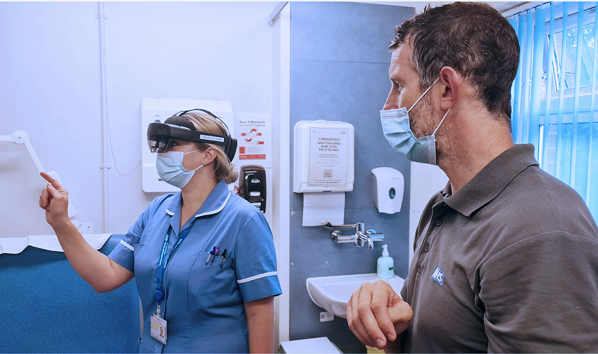
Academia
a. University of Chichester
Focus: Mental Health and Wellbeing - evidence generation for VR-based serious game
At the University of Chichester, a team of researchers have partnered on a project funded by the Woodger Trust to gather evidence on a VR-based serious game called Koji’s Quest [36]. The game, developed by NeuroReality, is advertised as a VR game to aid in the rehabilitation of several health conditions, including brain injury, stroke and neurodevelopmental issues, by using neuroscience, gamification and algorithms to create different worlds for players.
Susan Hindman and colleagues have been using Koji’s Quest to test the game’s effectiveness in delivering training for executive functioning skills. Executive function (EF) is a set of high order cognitive processes involved with learning and how we plan, execute and regulate everyday tasks which develop in childhood, making it important to understand how to support the development of these EF skills. The VR game, deployed using Pico Neo 3 Pro, was procured by the University in 2020 specifically for the research project with local primary school-aged children. As part of a PhD, this research team are using this XR technology to understand whether VR can be used to deliver cognitive training to children to enhance EF by firstly, understanding their qualitative experiences [37] and secondly, whether adaptive VR is an effective tool for EF training compared to controls and has shown positive results [38].
Koji’s Quest is marked as a CE marked Class 1 medical device and is available in five languages. NeuroReality themselves are a team of “scientists, game developers, and brain-enthusiasts” based in the Netherlands focused on VR for cognitive rehabilitation.
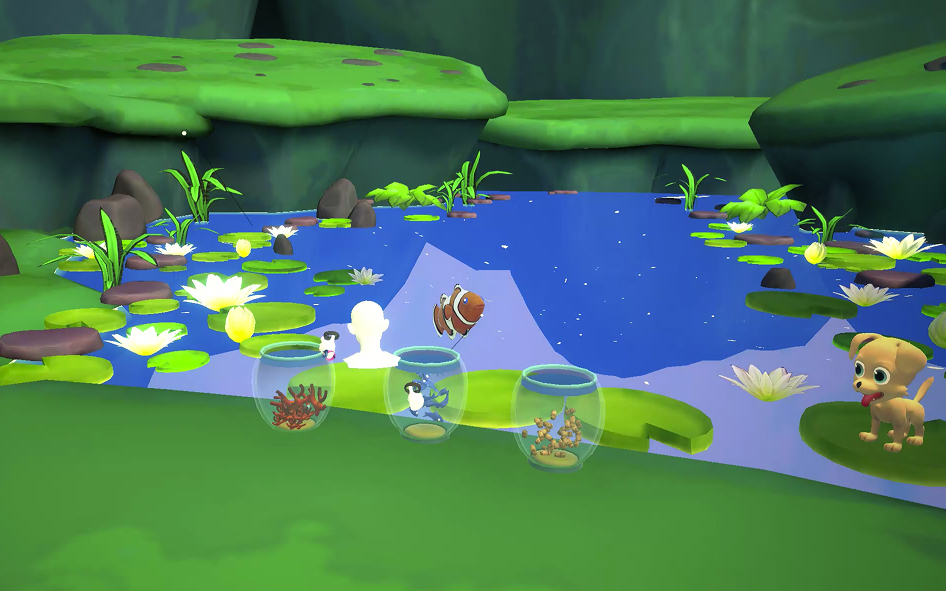
b. University of Leeds
Focus: Research and Development for Immersive Technologies
Background
The University of Leeds is a leading UK institution in the field of immersive technologies, hosting both the Centre for Immersive Technologies (est. 2019) and HELIX, the University’s new learning innovation hub. The Centre for Immersive Technologies brings together over 80 researchers from disciplines including health, engineering, the arts, and social sciences. Its mandate spans five domains: health, transport, education, productivity, and culture and is supported by major public- and private-sector partnerships. It positions XR (extended reality) as a transformative tool for addressing societal challenges.
Complementing this, HELIX provides a physical and digital hub for students, staff, and the wider community. With facilities including immersive technology labs, multimedia production studios, and a makerspace, HELIX fosters creative experimentation and applied research, enabling new initiatives in education, wellbeing, and entrepreneurship.
Deployment and Use
The University of Leeds applies XR primarily in workforce education and training, alongside proof-of-concept projects in healthcare and student wellbeing. The adoption of some of these technologies is becoming increasingly integrated, with activity divided between large-scale research programmes and smaller experimental student-led projects.
1. Research and Development – Centre for Immersive Technologies
- Enhancing surgical practice: The Centre has been investigating the use of VR simulations to allow surgeons to rehearse procedures, experiment with techniques, and familiarise themselves with individual patient anatomies. The aim is for these methods to be used to train surgeons in new techniques, both within the UK or in developing countries where there may be fewer specialist surgeons available. Utilising VR enhances surgeon’s skills, improves patient outcomes while reducing hospital time and costs.
- Reducing patient anxiety in radiotherapy: The Centre have created ‘virtual walk-throughs’ of radiotherapy treatment departments to allow patients to preview their first appointment in order to reduce fear and anxiety.
- Global training initiatives: VR packages are being developed for surgical training in Sierra Leone and other developing countries, with the potential to scale internationally, to develop effective training packages.
2. Student and Staff Projects – HELIX
- Medical education: HELIX staff have begun integrating VR into cardiac physiology modules to support immersive learning and student engagement. For example, Awake Heart is allowing students to explore the anatomy of the heart in 3D and VR can be further used in laboratory experiments focused on anatomy and physiology.
- Neurodiversity and accessibility: A student project focused on exploring the challenges that students with ADHD encounter in learning working environments and aims to develop mixed reality tools to support these students using Meta Quest 3 headsets.
- Wellbeing: Students are also exploring the ways in which VR can support mental health and wellbeing for different populations using 1) outdoor VR environments for people with mobility impairments and 2) designing VR meditation spaces to support student mental health.
Technology and Design
- Hardware: Meta Quest 2, Meta Quest 3, Meta Quest Pro, Pico 4 & HTC Vive Pro 2
- Software: Unity & Unreal Engine.
- Platforms:
Significance
The University of Leeds demonstrates a dual model of XR adoption: world-class research led by the Centre for Immersive Technologies, and grassroots innovation through HELIX’s student- and staff-driven projects. Together, these initiatives illustrate how immersive technologies can simultaneously address global health and workforce challenges while enriching the student learning experience. By embedding XR in surgical training, patient care, and higher education, Leeds exemplifies how universities can act as incubators of applied XR research and development, combining institutional expertise with hands-on experimentation to create impactful, scalable solutions.
c. Sheffield Hallam University
Focus: XR Integration in Student Education and Training
Background
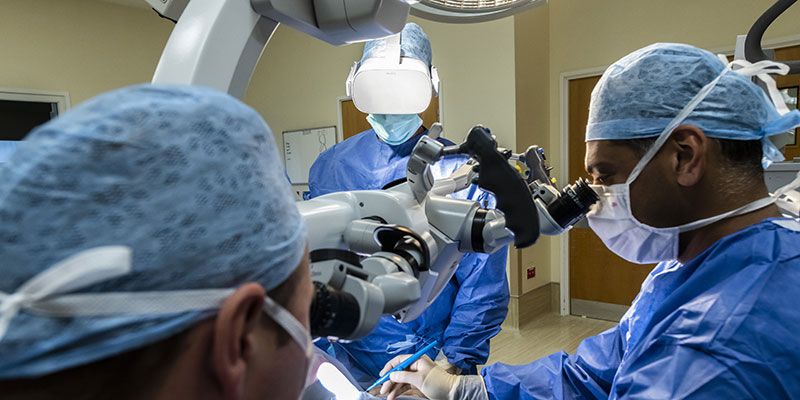
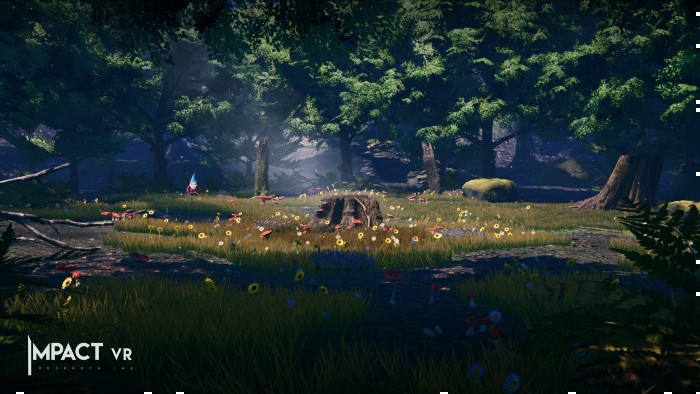
XR technology provides significant opportunities for use within universities for the education and training of healthcare students. Sheffield Hallam University (SHU) has significant expertise in immersive technologies in hosting the Impact VR Lab since 2013, but the university highlighted that their primary adoption model is for internal use for academic instruction, research, and skill development of our students and staff.
Deployment
SHU employs a hybrid approach to XR adoption, combining commercial platforms (e.g., Bodyswaps, Oxford Medical Simulation), freely available tools, and bespoke in-house developments. Since 2023, SHU have made significant expansions of their XR into teaching and training. These XR technologies are primarily utilised to enhance teaching and learning experiences of their students across different disciplines and being used to simulate practice for vocational skills and soft skills and to address highly specific teaching requirements that are not met by off-the-shelf solutions. Some of these technologies, such as Body Swaps, have become established practice at the university across multiple different courses, with tailored in-house developments such as SHU VR Blood and SHU Auscultation are still in earlier stages of adoption.
Unique features
The distinctive feature of SHU’s XR integration lies in its pedagogical strategy, rather than in the technology itself. Their approach focuses on three defining elements:
- Tailored Integration – Commercial XR platforms are carefully adapted to course-specific learning outcomes across a wide range of courses, particularly healthcare (e.g., Bodyswaps for soft skills).
- In-house Development – Bespoke applications are created to fill gaps left by commercial tools, allowing SHU to address highly specific and unique teaching requirements. The Impact VR Lab’s work on rehabilitation and pain management exemplifies this tailored development for clinical application.
- Interdisciplinary Collaboration – Academics, technologists, and students work together to design immersive learning environments that bridge theoretical knowledge and practical application in a safe, repeatable environment.
Technology and Design
XR hardware and applications are managed through dedicated teaching spaces and controlled deployment to students. This combination ensures flexibility while maintaining academic control over content and deployment.
- Hardware: Meta Quest 2, Meta Quest 3, HTC Vive Pro 2.
- Software: Unity for bespoke development; browser-based platforms for wider access.
Challenges and Opportunities
SHU’s approach highlights the potential opportunities available for the integration of XR into student education and training. By fostering interdisciplinary collaborations and developing bespoke solutions, XR is capable of enhancing vocation and clinical training and addressing highly specific teaching needs across disciplines, including healthcare. This, however, does highlight the challenges that other universities may face when it comes to adopting existing commercial products to address highly specific needs. SHU’s approach is complemented by the Impact VR Lab’s research work to develop new XR technologies for physiotherapy, pain management and mental health.
Significance
This integrated, hybrid model demonstrates how XR can be embedded across a university curriculum to create meaningful, scalable, and sustainable educational impact. SHU’s approach reflects an early-adoption culture for new technologies, coupled with established use of certain commercial platforms. The Impact VR Lab and TORS department underpin this strategy, ensuring that XR remains both pedagogically relevant and technologically robust. By balancing commercial adoption with in-house innovation and emphasising pedagogy over platform, SHU has developed a scalable model for immersive learning. This case demonstrates the potential of XR to transform student education and training while fostering interdisciplinary collaboration and applied research.
Industry
a. XR Therapeutics (XRT)
Background
XRT is a small software development company with revenue of between £500k and £1 million, mainly from the UK where they are based and their products are deployed. This funding is from various sources and they note that it is still a challenge to be fully budgeted within a Trust as budget holders are often required to demonstrate short-term savings rather than long-term benefits. XR Therapeutics (developers of XRT Boundless) was founded by Dr Morag Maskey (CSO) and Prof Jeremy Parr, after groundbreaking research was carried out at the University of Newcastle and Cumbria, Northumberland and Tyne and Wear NHS FT, working with clinical teams and children and young people.
Deployment and Use
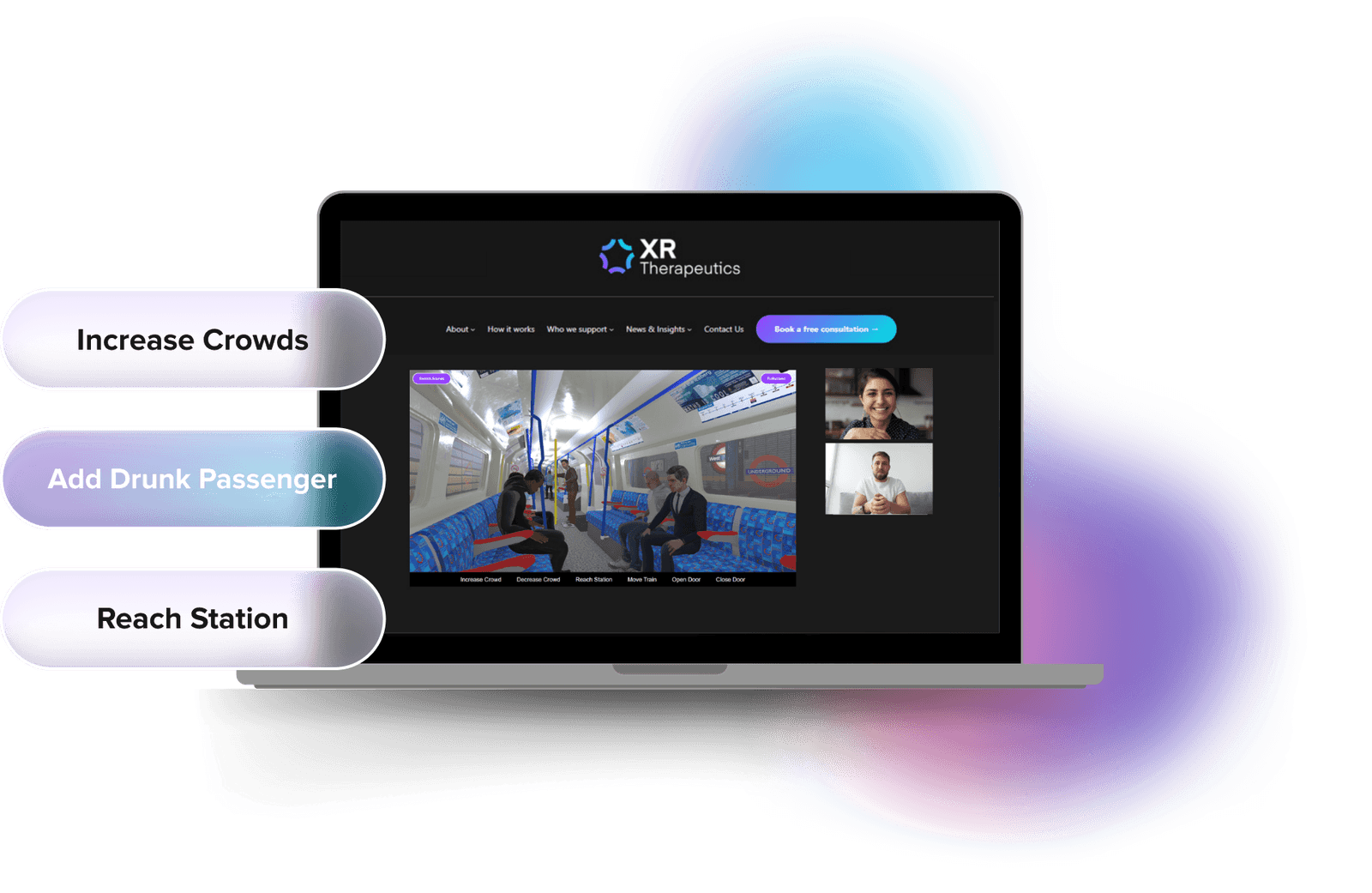
The company has expertise across clinical, regulatory, technical, and marketing and works closely with mental health professionals within their team and through collaborations. Their software is designed to target anxiety, mood, eating, and developmental disorders through primarily graded exposure therapy. They offer a mixed hardware and software package in order to reduce barriers to access for the NHS. The clinical origins of XR Therapy are in response to healthcare inequalities and the ambition to improve accessibility of talking therapies. XRT’s intervention has been co-designed and co-developed through extensive collaboration with healthcare professionals, and patients (including neurodiverse patients) to ensure accessibility and effectiveness.
Technology and Design
The technology is mainly screen-based and can be used remotely or in-person. It recreates real-world anxiety-provoking scenarios which are viewed on a monitor and controlled by a therapist. Working together, the therapist and client are able to practice coping techniques within a safe VR environment.
Clinical evidence
Based on 9+ years of clinical-academic research between Newcastle University and CNTW NHS Trust, XRT has the potential to reduce the number of treatment sessions and treatment time by >50%, improve reliable recovery rates, and improve engagement in therapy (particularly for people who are neurodiverse) [39, 40]. XRT Boundless can be used on a desktop PC, laptop, smartphone, or tablet enabling treatment sessions to be delivered remotely. XRT can be delivered on any device used by the patient with no additional broadband speed capabilities or costs. All therapists using the XRT Boundless are provided with comprehensive, CPD UK accredited training and supported by a dedicated implementation team from onboarding to routine use in patient care. Their published research is listed here and a CHEATA report shows strong improvements by cutting session times from 6-12 to 2-4, meaning a saving of £21,000 per 100 patients [unpublished]. They note that clinical risk and the complexity of mental health mean that clinicians and end-users need to be consulted throughout design and development to ensure that it is fit for purpose and safe. It becomes tricky when each NHS Trust is asking for evidence to be generated specific to their service, meaning a reliance on pilots. It is important to recognise that XR Therapeutics is the only industry case study that has been recognised by NICE within their Early Value Assessment for XR for agoraphobia.
Regulatory status
XRT are strongly aligned with regulations and NICE recommendations, have been designed to ensure accessibility and effectiveness and to be scalable across NHS Talking Therapies and community mental health teams. It is currently in use by NHS Trusts and charities. XRT Boundless is listed on G-Cloud and the NHS Dynamic Purchasing System, easing procurement through a single tender waiver. XRT is a UKCA Class I Software as a Medical Device (SaMD) specifically developed to support healthcare professionals in conducting Cognitive Behavioural Therapy (CBT) and other talking therapies to support treatment of anxiety, phobias, depression, and other mental health disorders. Despite being one of the few companies to report a Class I software as a medical device and compliance with DTAC, GDPR, Cyber Essentials, they note that there is still a lot of uncertainty as to how their product is classified. They note that the processes and documentation is extremely resource-intensive for a small team and the high cost can be a barrier for small SMEs.
As a deployed technology at the growing integration stage, they share some barriers such as building confidence prior to implementation so that adopters can feel reassured in what they deliver. They note that whilst digital health products are prolific within the NHS, these often lead to digital fatigue as clinicians struggle with products not aligning to clinical pathways or adding to workloads.
Challenges and Opportunities
Despite some of the challenges, they also share an optimistic view of the future of XR in mental healthcare, especially considering the NHS 10 year plan which emphasises the rolling out of digital technologies at scale in the NHS, responding to long waiting lists and better care in the community to prevent escalation. XRT’s products are designed to better engage with patients whom they note are often stuck on long waiting lists for talking therapies where they have a less than 50% chance of reliable improvement. Offering new tools can help supplement care, offer ways of being more personalised and accessible, agile, and able to be integrated in a way that supports rather than disrupts the patient-therapist relationship.
b. Tend – Virtual Reality Mindfulness-Based Cognitive Therapy (VR-MBCT) for Depression
Focus: Mental wellbeing and therapy – scalable digital interventions for mood disorders
Background
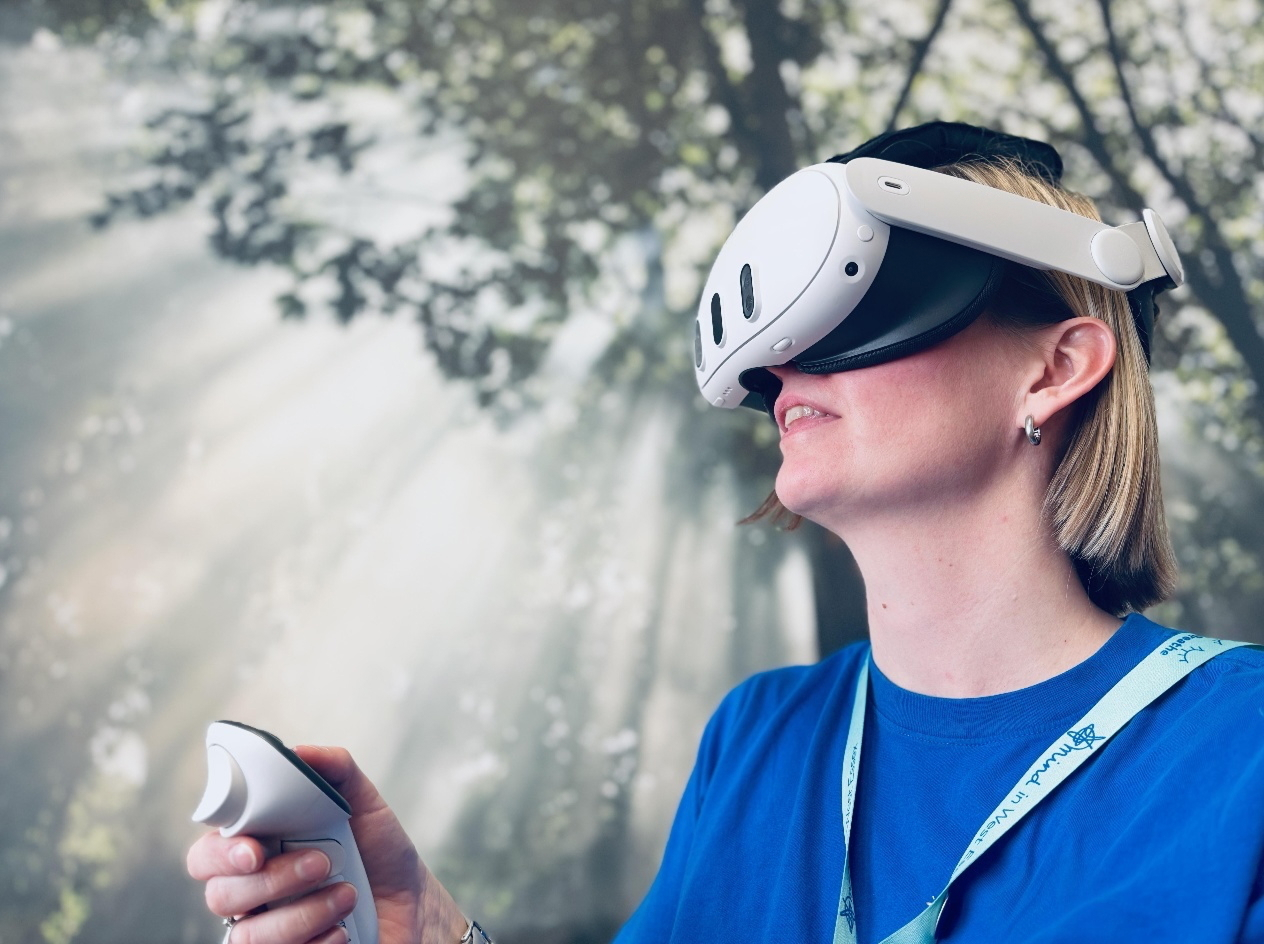
Tend is a London-based startup developing VR-enabled adaptations of evidence-based psychological therapies. Their flagship product, VR-MBCT (Mindfulness-Based Cognitive Therapy in Virtual Reality), delivers immersive, scalable treatment for mood disorders, particularly major depression, dysthymia, and generalised anxiety disorder. The approach combines clinical expertise - with mental health professionals integrated into the development team - with cutting-edge VR design, ensuring both therapeutic validity and patient engagement.
Deployment and Use Cases
Tend’s platform has been adopted in the UK National Health Service (NHS), including by Tees, Esk and Wear Valleys NHS Foundation Trust (TEWV) in North East England, and across multiple local Mind and other mental health charities across England and Wales. The solution targets patients who would otherwise face long waits for talking therapies, offering a first-line or adjunct treatment pathway for depression and related conditions.
By delivering MBCT through VR, Tend provides a scalable alternative to conventional therapy reducing pressure on overstretched clinical teams. Tend report that 1 x Tend supplied headset has the capacity to deliver a mental health intervention to 200 service users a year.
Employer/industry clients, private healthcare providers, and voluntary sector organisations have begun piloting the system, demonstrating its versatility across multiple healthcare settings.
Clinical Evidence
Tend has already completed 4 x feasibility studies (n=12, n=35, n=50, and n=75), with initial results demonstrating a large effect size in treating depression and anxiety, and significantly improved reliable recovery rates and higher completion rates in comparison to existing talking therapies. A first paper has been submitted for publication, with additional trials planned through mid-2026, including a large-scale cohort trial looking at Difficult-To-Treat Depression (DTD). Tend have developed a pipeline of clinical studies to validate both clinical outcomes and cost savings.
Technology and Design
- Platform: Oculus Quest 3
- Software: Unity, OpenXR, XR Interaction Toolkit
- Features: Immersive mindfulness modules; patient-centred interaction design; potential applications in psycho-oncology, post-operative recovery and wider mood disorder contexts
The product is built to NHS standards of data and cyber compliance (DTAC, DCB 0129/0160, Cyber Essentials, GDPR), enabling smoother procurement and integration into public healthcare.
Regulatory Status
- UKCA Class I registered device
- Plans to move to Class II to enable global expansion (e.g. Australia, Singapore)
- Regulatory compliance covers clinical safety, cybersecurity, and data governance
Challenges and Opportunities
Tend acknowledges regulatory, financial, and technical hurdles in scaling digital therapeutics, particularly around reimbursement and adoption pathways. Nonetheless, the company is gaining traction, with 5 x NHS trusts either purchasing or preparing to procure the system. The potential cost savings are significant: At 2-5 times cheaper than existing talking therapies, Tend estimates that scalable deployment of VR-MBCT as a first-line treatment for mood disorders could save the NHS upwards of £250 million per year by reducing staff time and improving throughput.
Significance
Tend represents a strong example of how XR can deliver breakthrough mental health interventions that are clinically validated, economically sustainable, and scalable across healthcare systems. By bridging the gap between psychotherapy and immersive technology, it offers a model for how XR can move from pilot projects into routine clinical adoption.
c. a.health
a.health is a UK-based digital health company that incorporates virtual reality technology into mental health treatment, specifically targeting ADHD, OCD, anxiety, and depression. The company describes its offering as “groundbreaking virtual reality-based talking therapies that allow patients to engage in therapy seamlessly integrated into their lives, leading to higher patient satisfaction and improved outcomes”
VR Technology Implementation
The company presents this technology as one of three foundational principles, alongside patient-centric AI-enabled experiences and high clinical care standards led by expert consultants. The VR intervention is designed to complement their primary ADHD assessment and treatment services, which are delivered through remote consultations with GMC Registered Consultant Psychiatrists. The integration of VR technology into their clinical pathway offers an attempt to enhance traditional talking therapy approaches through immersive environments, though specific details about therapeutic protocols, hardware platforms, or clinical applications are not extensively documented in their public materials.
Clinical Integration and Evidence Base
A.Health’s VR offering operates within their broader digital health platform that serves patients across all age groups, from children as young as 6 years old to adults. The company has partnerships with multiple NHS organisations, being trusted by many NHS partners including various trusts across England, with their VR-enhanced services achieving a level of integration with public healthcare systems that few other XR companies have achieved.
A.health are seeking to develop and share more clinical outcome data, peer-reviewed research and detailed technical specifications for their VR interventions. This is particularly relevant given the growing evidence base for VR applications in ADHD treatment, where research has demonstrated potential benefits for attention training, exposure therapy, and cognitive rehabilitation.
Market Position and Challenges
A.Health’s positioning of VR as a differentiating technology reflects broader industry trends toward immersive digital therapeutics. The company’s focus on seamless integration into patients’ lives reflects a home-based or telehealth delivery model for their VR interventions, which aligns with trends toward accessible mental health technologies.